Happy New Year.
I’m sorry I haven’t written for a while.
The last month caught me off guard when a relationship I value deeply became unexpectedly tense—not from anything dramatic, but from a handful of misunderstandings that slowly added up. It wasn’t the kind of conflict with a clear beginning or obvious fault. It was murkier than that, and harder to name.
Sitting with it, I started to notice how much real growth in relationships comes from moments like these—not the loud blowups, but the quieter, more uncomfortable stretches we don’t always know how to navigate in real time.
What made it especially hard was that this wasn’t with a stranger or a casual acquaintance. It was with someone I consider one of my closest friends—someone whose intentions I trust and whose place in my life matters to me.
That’s what made it worth slowing down and paying attention.
Relationship Growth Isn’t About Being Right
What became clear fairly quickly is that this wasn’t a situation where one person was right and the other was wrong. From my point of view, my reactions made sense. From her point of view, hers did too.
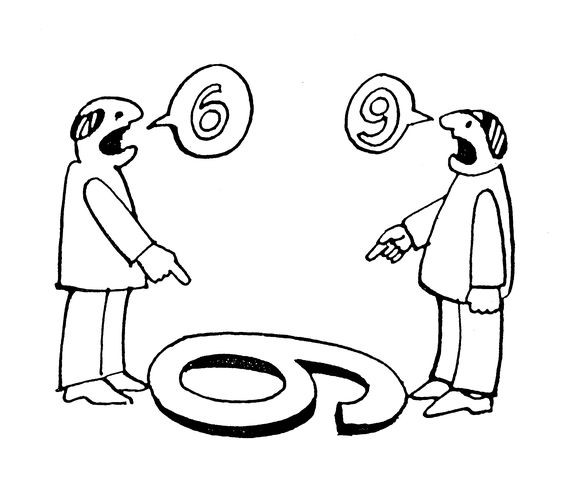 Both stories were internally consistent.
Both perspectives were valid.
And yet, they didn’t line up.
This is where many relationships—personal and professional—get stuck. We assume that if someone disagrees with us, they must be missing something. Or worse, misinterpreting us. So we double down. We explain more. We defend our position. We try harder to be understood.
But being understood isn’t the same as being connected.
This dynamic shows up everywhere: in friendships, at work, on teams, and between colleagues. And when it goes unchecked, it quietly erodes trust.
A Line That Changed How I See Conflict
Around this time, I heard a line on the radio that stopped me in my tracks:
Never love your opinion more than your partner.
I’d broaden it even further: never love your opinion more than the relationship.
Because the moment the goal becomes “being right,” the relationship is already losing. This applies just as much to friendships and coworker relationships as it does to romantic ones. Teams fracture this way. Longstanding partnerships weaken this way. Good intentions get buried under the need to be correct.
What I noticed in myself—uncomfortably clearly—was how easy it is to confuse conviction with care. To believe that because we feel strongly about something, pushing harder is the responsible thing to do.
Often, it’s not.
Two Things Can Be True at the Same Time
One of the most grounding realizations from this experience was accepting that two things can be true at once:
- I can feel justified in my reaction
- And someone else can feel hurt or misunderstood by it
- I can have good intentions
- And still miss how my words or actions landed
- I can be “right” from my perspective
- And still weaken a relationship if I cling too tightly to that rightness
This framing has been especially helpful when I think about work relationships. Many conflicts at work don’t escalate because of bad intent, but because each person is defending their own reasonable point of view.
Relationship growth doesn’t require sameness. It requires curiosity.
Choosing Connection, Repeatedly
What ultimately helped wasn’t winning an argument or resolving every difference. It was choosing to slow down. To listen more than I spoke. To hold my perspective lightly enough that there was room for someone else’s.
That doesn’t mean abandoning boundaries or silencing myself. It means deciding—consciously—what matters most in the moment.
Sometimes clarity can wait.
Repair can’t.
This past month reminded me that relationship growth doesn’t come from avoiding conflict. It comes from how we show up inside it—especially when things feel uncomfortable or unresolved. From whether we prioritize being right, or staying connected.
A Reflection as You Move Forward
As you think about your own relationships—at home, at work, or with friends—I’ll leave you with this question:
Where might you be loving your opinion just a little more than the relationship itself?
And what might shift if you made space for the possibility that both sides could be true?
That small shift alone can change the entire conversation.
Best wishes in 2026
Lei
whoah, this hits home as i’m going through the same thing. have not talked to a friend because i disagree with their decision-making (i.e., i’m right and you’re wrong) instead of me being a more supportive friend.
Catherine, thanks for commenting. We are so used to winning at work that we have the instinct to also try to “win” in our relationships. I am glad this article helped. Hope you can reconnect with your friend and you both choose connection and your friendship over whatever issue you disagree on. best wishes