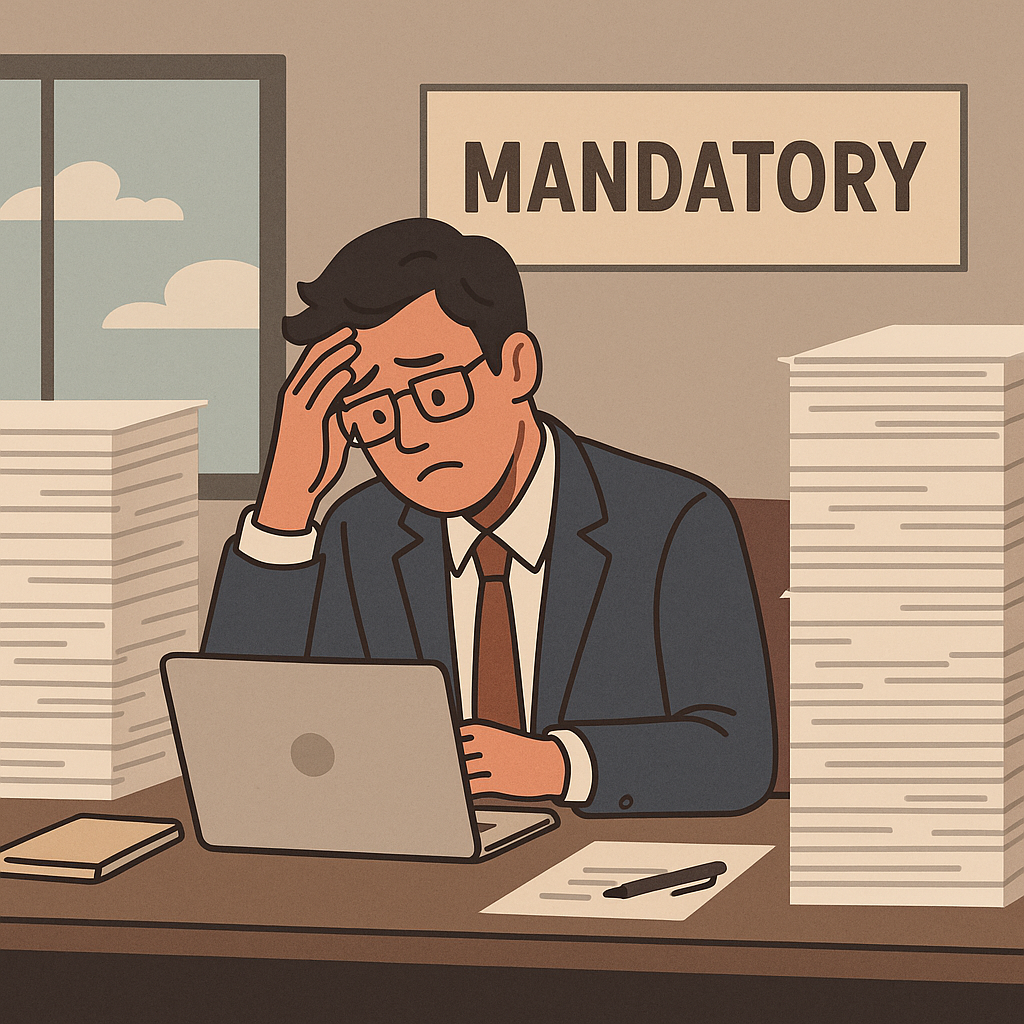
 A few weeks ago, my friend and colleague—let’s call him Andy—came to me completely overwhelmed. He’s been raising the same flag to his manager for the past six months: he and his team are under-resourced and overworked. His manager listens, nods, but nothing changes. No extra hands. No realistic reprioritization. Just more piling on.
Andy asked me the big questions we all face at some point in our careers: Do I just work more? Should I quit? How do I manage this?
Here’s the advice I gave him. Maybe it’ll help you or someone you work with too.
Stop Waiting for a Hero
Andy asked me if he could still hope that his manager might step in with more resources. I told him, kindly but clearly: if it hasn’t happened after months of asking, it’s probably not going to happen.
That’s not because his manager is malicious or indifferent. It’s often because they’re overwhelmed too. But here’s the good news: that means it’s up to you to take control.
Rather than wait for someone to solve it for him, Andy needed a new strategy—one rooted in his own agency. That starts with making a clear, prioritized plan.
Create a “Must-Do” Plan—and Own It
I told Andy to list everything he and his teammate are currently being asked to do. Then, look at it through his own lens:
-
What work is truly critical?
-
What work aligns with his team’s strengths or energy?
-
What can be delayed, delegated, or even declined?
His goal wasn’t just to survive—his goal was to present a plan his manager could easily approve. One that clearly says: Here’s what we’re focusing on. Here’s what we’re pausing or deprioritizing—and why.
By doing this, he’s not just setting boundaries—he’s solving a problem for his boss. It becomes a “just say yes” proposal. And it shifts the power dynamic: Andy is no longer waiting for permission. He’s offering a proactive solution.
But What If Everything Is Mandatory?
This is where Andy pushed back. He works in banking, where most projects come with the big scary label: “mandatory.”
And he’s right—some really are. But even within “mandatory” work, there are ways to take control.
I shared two key ideas:
1. Re-evaluate What “Mandatory” Really Means
Not all mandatory projects are equal. Some are driven by external regulations with hard deadlines—yes, those are truly non-negotiable.
But many “mandatory” projects are internal interpretations of compliance initiatives with vague ownership, bloated meeting invites, and self-imposed timelines. They may be critical, but may not be as urgent right now. Identify which is which.
2. Push Back on Meetings—And Demand Clarity
This is one of my favorite moves: push back on meetings that aren’t well-run or that don’t respect your time. Just because a meeting is labeled “mandatory” doesn’t mean it’s productive.
Andy and his team were getting pulled into massive cross-functional meetings where 10 departments were represented and little progress was made. I told him: skip them when you can.
Instead, he should:
-
Ask the sponsor or project manager for clear deliverables: What do you need from my team? By when?
-
Offer to send what’s needed asynchronously.
-
If necessary, propose a short, focused meeting just for his department.
One trick? Block your calendar—and don’t share it. It gives you leverage when someone says, “Can’t you just join this meeting?”
You can say: “I’d love to help. I’m booked with four other critical deadlines, but I can support if you clarify exactly what’s needed and when.”
It’s not about being difficult. It’s about forcing others to do the work of being clear—so you can do your work more efficiently.
Final Thought: Overwhelm Is a Signal, Not a Standard
At the end of the day, I reminded Andy of this: feeling overwhelmed isn’t a sign that he’s failing. It’s a sign that the system around him isn’t working—and he’s being forced to carry the weight.
We can’t always fix the system. But we can decide how we respond. And sometimes the most powerful move we can make is to stop being the silent overachiever and start being the person who sets the terms.
Let me know if you try this, or if you’re stuck in something similar. Sometimes the most helpful thing we can do is say: Here’s what I can do—and here’s what I can’t.
You just might find the room to breathe again.
Lei